4. Platform stability and reliability
The stability and reliability of the OutSystems platform is a key ingredient for high-performance apps. We offer a suite of monitoring and observability features that are instrumental in this pursuit. Such features are at the platform's core and aggregate multiple data points to provide valuable insights.
Table of contents
Platform monitoring and observability features
Performance Analytics in OutSystems is an integral functionality that gathers data from various sources to offer vital information. When you build applications with OutSystems, they are automatically equipped with metrics, logs, and traces, which empowers developers to enhance the performance and reliability of their applications while streamlining the optimization of the user experience.
- Logs: Think of logs as breadcrumbs that help you find issues in your app. They come in different severity levels, like Error, Warning, and Information. You can filter logs by various criteria, and they're available for up to four weeks.
- Traces: Traces provide a big picture of how your app is performing. They show you the journey of a request, highlighting where errors occur and helping you understand your app's performance. You can filter and review traces, which are also available for up to four weeks.
You can access logs and traces to get more details, and you can share them with your team members by simply sending them a URL. These tools simplify the process of identifying and fixing issues in your apps, making development smoother and more reliable.
Learn more about OutSytems Monitoring and Logging
Platform and environment availability features
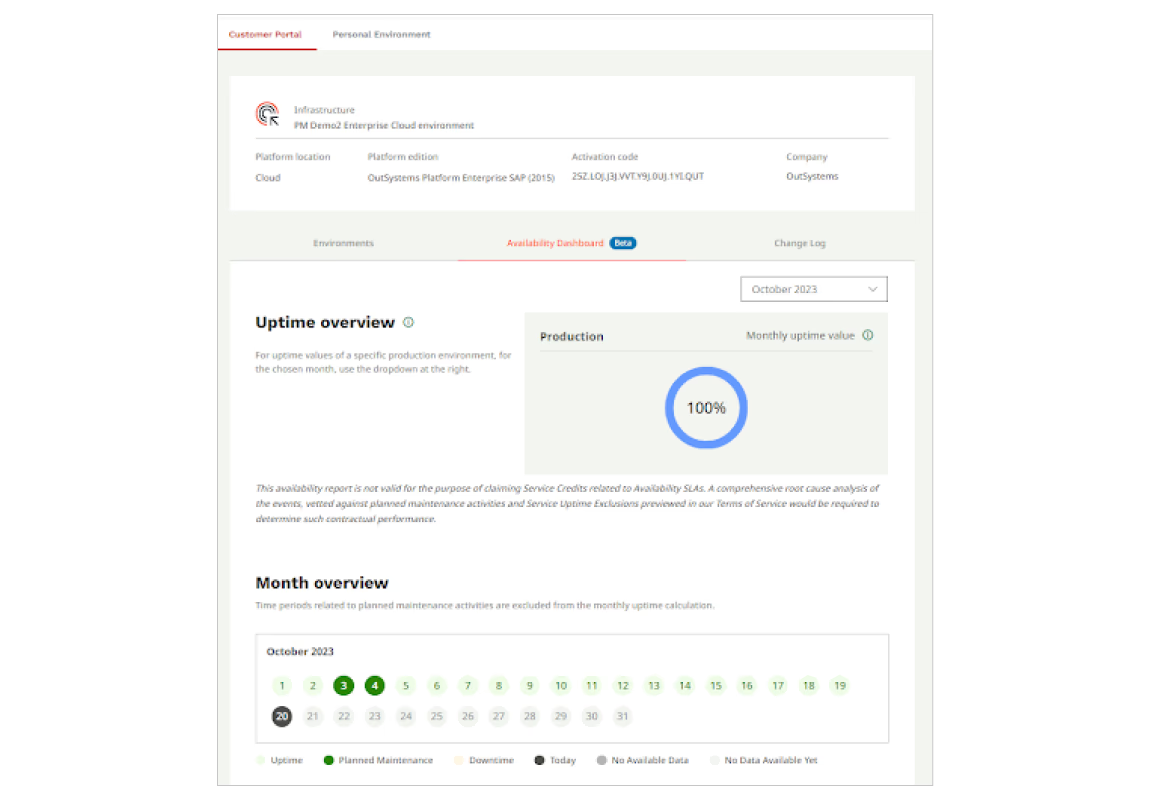
For easy adherence to local and industry regulations or to follow vendor governance best practices, customers can use the OutSystems Uptime SLA Dashboard. This straightforward widget provides historical information about the availability of their cloud platforms, contributing to robust availability monitoring.
This dashboard provides access to historical information records of the availability of their production environments, allowing customers to analyze uptime trends over the past 12 months. Customers can also effortlessly cross-reference uptime metrics with scheduled maintenance activities, allowing them to understand the reasoning behind the SLA values better and anticipate potential downtimes.