Enterprise-Grade Security & Compliance

Organizations are turning to cloud-native architecture to gain the agility required by the modern business landscape where market conditions and customer needs change rapidly, and organizations need to continuously innovate to stay competitive. Cloud-native architecture enables you to develop and scale applications quickly and efficiently while providing the flexibility and resilience needed to meet the demands of the modern business environment.
But as companies migrate to the cloud and adopt cloud-native technologies as part of their digital efforts, cyberattacks are also increasing exponentially. Cybercrime, which includes everything from theft or embezzlement to data hacking and destruction, continues to rise. In 2023, there were 2,365 cyberattacks in 2023, affecting 343,338,964 people. In addition, a 72% increase in data breaches from 2021 to 2023 has broken previous records. A misunderstanding about shared responsibility in the cloud creates a large attack surface that hackers can exploit, and that needs to be taken care of by the cloud customers. According to Gartner, “Through 2025, more than 99% of cloud breaches will have a root cause of preventable misconfigurations or mistakes by end users.”
Another relevant stat is that organizations know the risks and the importance of securing their software solutions, but many still lack even the most basic cybersecurity practices like IT governance. Accenture’s Cybercrime study showed that 43% of cyber attacks are aimed at small businesses, but only 14% of those are actually prepared to defend themselves.
Why is that? Why do companies struggle to protect their modern digital solutions and business, and what can they do?
That’s what we’ll discuss in this blog post.

Table of contents:
- Why is it so difficult to ensure cloud-native security?
- Is shifting security left enough to ensure the security of your cloud-native applications?
- How to ensure your cloud-native apps are secure
- Introducing ODC security
- OutSystems Developer Cloud security benefits
- Ready to explore cloud-native security with OutSystems?
Why is it so difficult to ensure cloud-native security?
Cloud-native security is a term used to describe security measures that are designed specifically for cloud-native applications and environments. As more organizations move their applications and data to the cloud, there is a growing need for security measures that can keep pace with the dynamic and distributed nature of cloud-based architectures.
In a traditional on-premises environment, security measures are static and centralized. Cloud-native security is different, however. It requires a more dynamic and decentralized approach that is capable of protecting applications and data across multiple clouds, containers, and microservices.
And this is particularly challenging due to two factors.
The first is tool proliferation
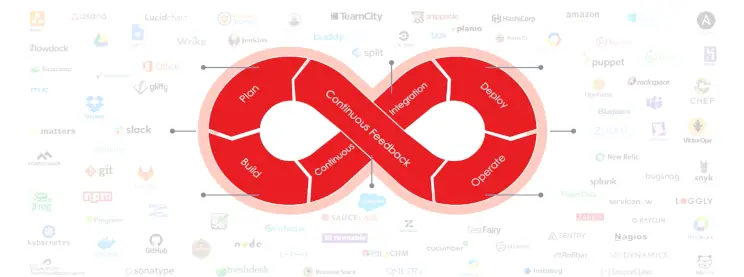
The move to the cloud, at first, seemed simple and similar to traditional, on-premises approaches. Then it quickly got complicated, especially for security professionals and developers.
In a report published by Palo Alto, more than 75% of respondents reported that their organizations struggled to identify which security tools help them meet their needs. This goes in accordance with our own research that shows that the #1 challenge companies face when adopting a cloud-native strategy is identifying the right tools and platforms.
Going back to the Palo Alto study, the average organization uses more than 30 security tools, including 6 to 10 exclusively dedicated to cloud security. As a result, leaders struggle to have a birds-eye view over their entire cloud portfolio, which hampers their ability to prioritize risk and prevent threats.
The second is the lack of cybersecurity specialists
Simply put, organizations lack the talent to implement and manage security tools. According to an ISC2 report, there were 3.9 million unfilled cybersecurity jobs in 2023. The reason for that is that the growth of cybercrime is fueling demand for cybersecurity experts much faster than industry and universities can deliver raw talent.
Is shifting security left enough to ensure the security of your cloud-native applications?
The cloud-native security approach recommended by analyst firms and industry leaders is to adopt DevSecOps which brings security into earlier stages of app development. This “shift-left” mentality means implementing security measures during the entire development lifecycle rather than at the end of the cycle.
However, organizations are pressured to accelerate their delivery pace to meet their customers' demands and remain competitive. Bringing security professionals to early development stages only translates into more costs and slower delivery. Not to mention that it doesn’t solve the talent shortage.
So, what can you really do?
How to ensure your cloud-native apps are secure
You must look for security solutions that provide visibility and place barriers at the points where there is vulnerability. These solutions must meet organizations where they are, cater to their unique needs and priorities, and enable them to adopt cloud-native solutions at a price point that works for them.
The industry recommendation is to embed security earlier into your application lifecycle, but the truth is that you should embed security directly into the app lifecycle.
This way, security is indistinguishable from app development rather than a separate silo. And that’s exactly what the OutSystems Developer Cloud (ODC) platform can offer you.
Introducing ODC security
ODC is a cloud-native, low-code application development platform that enables you to architect with all the scale, security, and availability of cloud-native and none of the hassle. Enterprise-class, end-to-end modern security is woven into every aspect of ODC and application development.
It is a trusted, reliable, compliant platform that operates under a shared responsibility model and employs zero trust architecture that gives customers peace of mind that their infrastructure and data are safe.
Now, let’s explore the benefits of ODC security.
OutSystems Developer Cloud security benefits
ODC is secure by design, and it comes with all critical security features out-of-the-box. The value of ODC security is that it helps you anticipate and be prepared for incidents and risks, build secure apps, and protect your data.
Anticipate and be prepared for security incidents and risks
With ODC’s evergreen architecture and automated security for high-performance, business-critical applications, you can defend against threats. ODC enables you to anticipate and be prepared for possible security incidents with a web application firewall and modern and global content delivery network to automatically defend against SQL injection and cross-site scripting and to mitigate DDoS attacks with no impact on your app performance.
Intrusion detection inspects network traffic at the perimeter and critical points of the platform to help identify illicit network activity and intelligent real-time antivirus detects and stops unauthorized, or malicious activity. Platform resilience is enabled by multiple availability zones with built-in redundancy.
Build secure apps
With ODC, a single DevOps process helps you deliver secure cross-platform business-critical applications. With its visual integrated development environment and an automated software development lifecycle, you can avoid common misconfigurations that are the number one source of vulnerabilities. Its evergreen architecture keeps up with the latest security updates, eliminating the risks coming from third-party components and libraries. Autonomous IP filtering takes charge of your OutSystems applications and network traffic, and automatic vulnerability patching remediates vulnerabilities with no impact on your user experience.
Isolated production, QA and development runtimes prevent issues from spreading across environments, reducing the overall attack surface and ensuring apps are always protected. ODC also provides you with comprehensive and autonomous governance and IAM tools. Whether using the built-in identity provider or integrating with your own provider, you can easily manage access permissions and prevent unauthorized access, effectively keeping out shadow IT at the same time. Plus, mobile app hardening enables you to build more protected mobile apps.
Protect your data
OutSystems Developer Cloud provides security capabilities that can protect your apps from deliberate or unintentional data loss, breaches, and unauthorized use. Data encryption helps keep your data safe whether in use or not. To avoid data loss and enable quick restoration if there’s a disaster, it provides continuous incremental data backup. Database segregation reduces the risk of human errors or insider threats during app development. You can also connect applications with your infrastructure more easily and securely with ODC Private Gateway.
In summary, ODC offers the security capabilities you need to protect your cloud-native app development and deployment. You can deliver your apps with confidence and without hiring a whole team of cloud-native security experts.
Ready to explore cloud-native security with OutSystems?
Cloud adoption is accelerating, and cloud-native capabilities are growing at a rate that professional developers cannot keep up with. OutSystems Developer Cloud’s embedded security capabilities take advantage of cloud-native capabilities like modern authentication, microservices, and Kubernetes, without you having to know what a microservice is or how a serverless database even works.
If you’re ready to take advantage of cloud-native security while building cloud-native apps, you can learn more by visiting: